
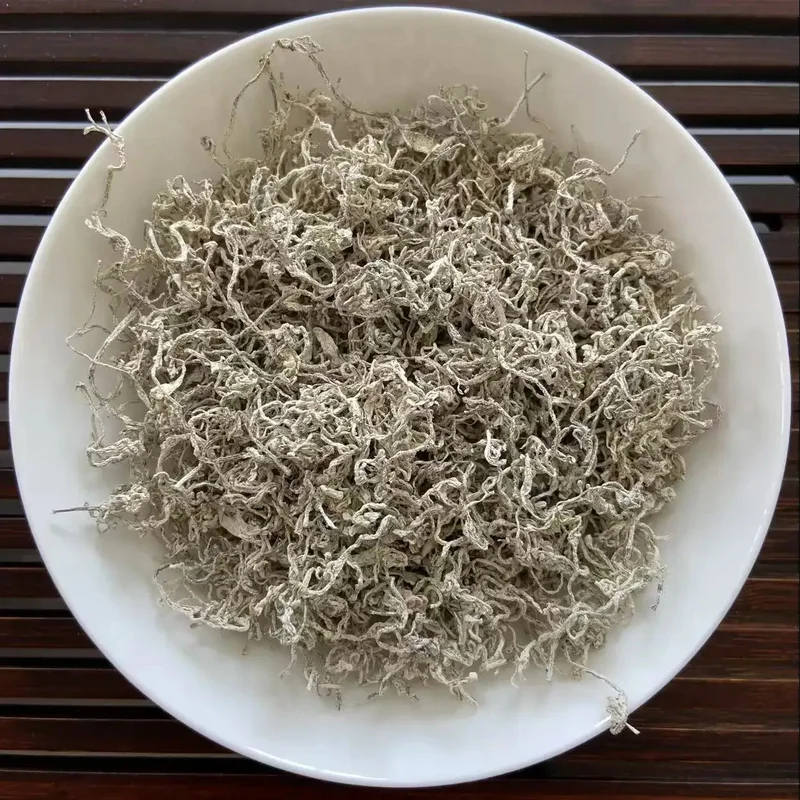
Description
Zhangjiajie Berry Tea, also known as Maoyan Berry Tea or Tujia Vine Tea, is a unique health beverage from the Wuling Mountains in Zhangjiajie, Hunan, China. Scientifically named Ampelopsis grossedentata (small-leaf vine tea), it belongs to the grape family and is not a traditional tea but a medicinal drink made from the tender leaves and stems of the plant. Named for the natural white frost (rich in flavonoids) on its leaves, it is a cherished part of local culture. Here’s an overview:
1. Growing Environment
Berry tea thrives at altitudes of 800–1,500 meters in Zhangjiajie’s red sandstone mountains, surrounded by clouds and mist, with mineral-rich soil and a humid climate. This pristine environment, a remnant of the Quaternary glaciation, contributes to its exceptional nutritional profile. Yongding District is the main production area, dubbed the “Hometown of Chinese Berry Tea.”
2. Nutritional Composition
Renowned as the “King of Flavonoids,” berry tea boasts a flavonoid content of up to 43.78% in its bud tips. It also contains:
17 essential amino acids
14 trace elements (e.g., potassium, calcium, iron, zinc, selenium)
High levels of polyphenols (up to 42.5%) These components underpin its health benefits.
3. Health Benefits
Based on traditional use and modern studies, berry tea offers multiple benefits:
Anti-inflammatory and Antibacterial: Helps relieve sore throat, oral inflammation, and respiratory issues, ideal for throat health.
Cardiovascular
Reviews
There are no reviews yet.