
Description
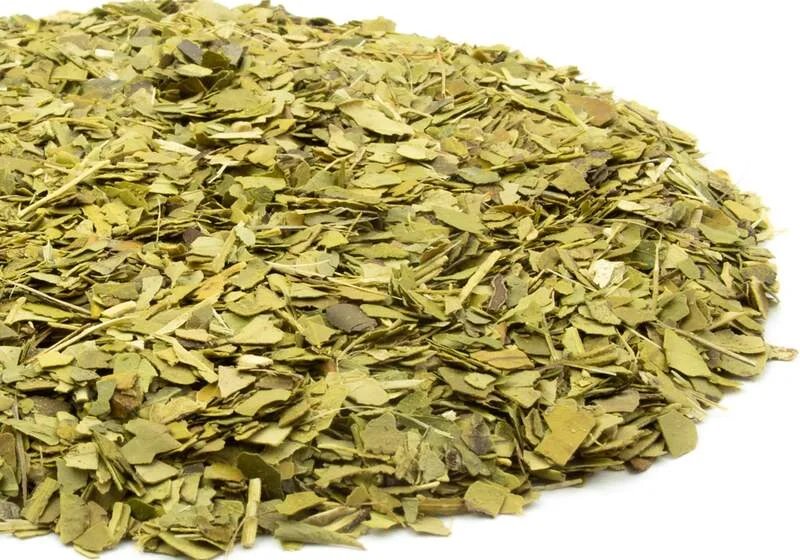
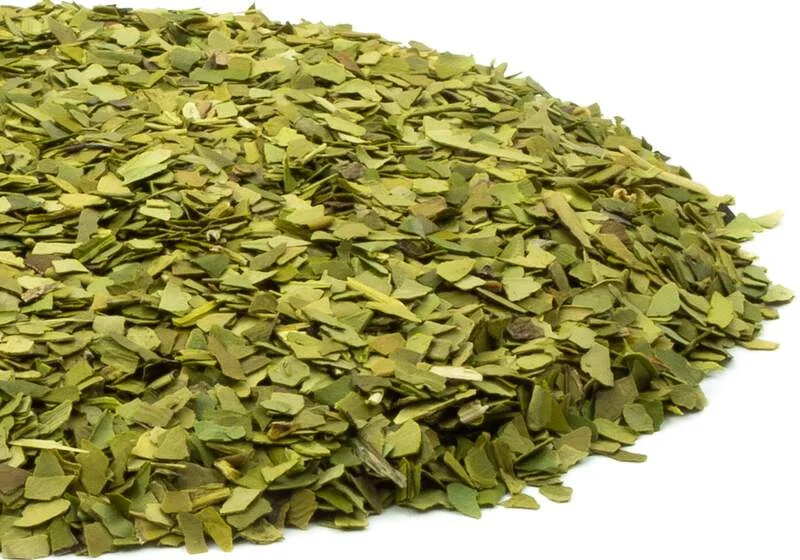
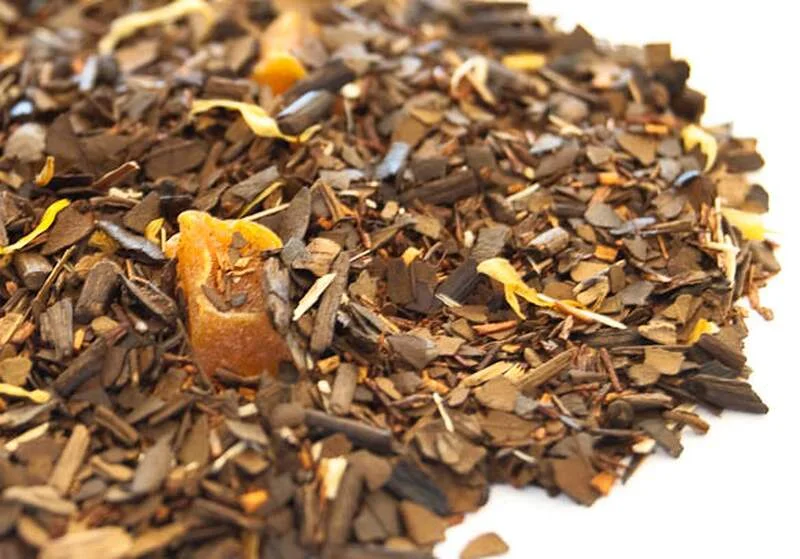
This premium unsmoked yerba mate, crafted with care in Brazil, offers an authentic taste and the health benefits of the traditional South American beverage. Being 100% smoke-free and 100% certified organic, this air-dried yerba mate provides a pure, clean, and satisfying flavor profile. Featuring large leaf cuts with no dust, it ensures a smoother and more refined drinking experience. Additionally, the special aging process results in a less green, less bitter flavor, setting this yerba mate apart from the competition.
Extra Info:
Unlike traditional yerba mate drying processes, which expose the leaves to smoke and high temperatures, this smoke-free yerba mate is produced using an innovative method that maintains low temperatures and eliminates the presence of smoke. This technique ensures a lighter, softer flavor that is uniquely refreshing.
One of the primary concerns with traditionally produced yerba mate is the presence of polycyclic aromatic hydrocarbons (PAHs), which are potential carcinogens. This smoke-free organic yerba mate undergoes rigorous testing to ensure that it meets EU standards, offering significantly lower levels of PAH4 compared to other brands. This commitment to quality and safety makes this yerba mate the ideal choice for health-conscious consumers.
Show Sources
Both of these studies investigate the presence of carcinogenic polycyclic aromatic hydrocarbons (PAHs) in yerba mate drinks. The findings indicate that traditionally prepared yerba mate drinks contain high levels of PAHs, which are potential carcinogens. While the studies suggest a possible link between PAHs in mate drinks and an increased cancer risk, they do not establish a definitive causal relationship, and further research is needed to confirm these findings.
- Monien, B. H., Schumacher, F., Herrmann, K., Glatt, H., Turesky, R. J., & Chesné, C. (2008). High Levels of Carcinogenic Polycyclic Aromatic Hydrocarbons in Mate Drinks. Cancer Epidemiology Biomarkers & Prevention, 17(5), 1262–1268. https://aacrjournals.org/cebp/article/17/5/1262/163501/High-Levels-of-Carcinogenic-Polycyclic-Aromatic
- Kaminsky, F. M., & Hnatyszyn, O. (2009). Polycyclic aromatic hydrocarbons as a potential source of carcinogenicity of mate. Journal of Food Composition and Analysis, 22(6), 463–468. https://www.ncbi.nlm.nih.gov/pmc/articles/PMC6443446/
Reviews
There are no reviews yet.